
![[personal profile]](https://www.dreamwidth.org/img/silk/identity/user.png)


(no subject)
... it is paradoxical that the first slaveholder to legitimize slavery in America was the Afro-American Anthony Johnson.
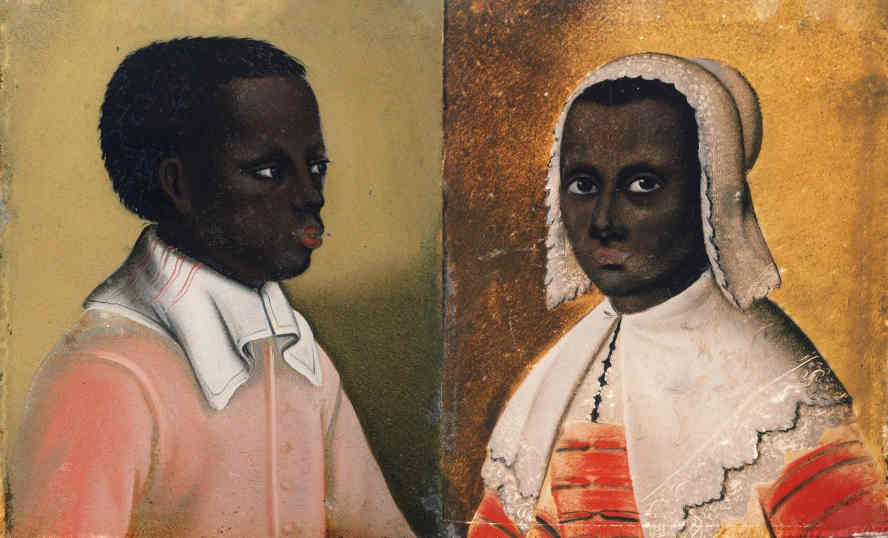
"Anthony & Mary Johnson, Free Blacks in Virginia"
In 1619, when he arrived in Jamestown, his name was Antonio from Angola. He was brought to Jamestown by a Danish with a group of captives and sold as a servant to colonist Nathaniel Littleton. The colony needed workers, and the residents willingly purchased captives and convicts from Europe.
But in those days, there was no lifelong bondage or slavery in our understanding. Such indentured servants were paid for their labor and after working 7-10 years, they became free people. It also happened with Antonio from Angola. In 1635, the owner released him.
By this time, the former slave changed his name to English and became Anthony Johnson. He got married, he had a son Willie (the first black, born on American soil). Apparently, things went well for him, because in 1651 the Virginia colonial government, following its law aimed at expanding the cultivated land, gave him 250 acres of farmland - 50 acres for each new servant. That is, by that time Anthony was able to buy himself a slave, convicts and debtors, black and white. So a former slave from Angola became the owner (but not the lifelong proprietor) of five indentured servants.
The next stage of the development of the black planter Anthony Johnson is found in 1654, when he filed a lawsuit against a white neighbor, to whom his "Negro servant, John Casor" ran. Casor, a young black servant, claimed that the "Old Negro" (Anthony's official name in court) had detained him for seven years longer than required by state law. At the time, this was a common charge: the captives were suing their masters and, as a rule, the court took the side of the servants.
Realizing that he would have to pay substantial compensation for the delay of a servant in bondage, Anthony filed a lawsuit against the white planter Robert Parker, who had sheltered a fugitive black servant, claiming that Casor was a free man. Black man Johnson managed to prove in court that black man Casor belongs to him for life as property. It was he who became the ancestor of plantation slavery in North America, creating a judicial precedent for lifelong bondage.
...
In 1860 there were at least six Negroes in Louisiana who owned 65 or more slaves The largest number, 152 slaves, were owned by the widow C. Richards and her son P.C. Richards, who owned a large sugar cane plantation. Another Negro slave magnate in Louisiana, with over 100 slaves, was Antoine Dubuclet.
According to the 1790 census, in Charleston, South Carolina, 36 of the 102 (35.2%) black men who had families were slaves. In 1800, one in three free African-American men who lived in this city had slaves. In 1860 10689 free blacks living in New Orleans, Louisiana, more than 3 thousand had slaves. Also living in Louisiana, the widow C. Richards and her son had 152 slaves. In Charleston, South Carolina in 1860 there were 137 (according to other data 125) black slaves, in North Carolina - 69.
One of the richest black slave owners in South Carolina was William Allison, who had a thousand acres and 63 slaves. After the outbreak of the Civil War, Allison sent his slaves as assistants and servants in the Confederate Army, and his grandson, John Wilson Bookner, on March 27, 1863 joined the 1st Artillery Regiment of South Carolina. It is worth noting that 80% of "black slaveholders" were mulatto, about 70% were women. This is mainly due to the fact that, as a rule, after the death of white "husband", the ownership were given to mulatto cohabitants.
🔗 http://sedmoyden.com/istorii-ob-istorii/735090-pervyj-rabovladelets-v-amerike
🔗 https://americancivilwar.com/authors/black_slaveowners.htm
 chispa1707 wrote the following post Mon, 03 Aug 2020 08:58:27 +0300
Рабство как оно было
🔗 Рабство как оно было
Крайне важная находка.

Joe Doe
Источники:
http://sedmoyden.com/istorii-ob-istorii/735090-pervyj-rabovladelets-v-amerike
http://slaverebellion.org/?page=the-black-slave-owners
https://americancivilwar.com/authors/black_slaveowners.htm
.
… парадоксально, что первым рабовладельцем, узаконившим рабство в Америке, стал негр Энтони Джонсон. И еще один занятный факт: доля рабовладельцев среди среди белых, считают историки, составляла от 5 до 7%, а среди чёрных – до 20–30%.
.
Вот теперь подробнее об этом...
Впрочем, в 1619 году, когда от прибыл в Джеймстаун, его звали Антонио из Анголы. Его привёз некий датчанин вместе с группой невольников и продал в слуги колонисту Натаниэлю Литтлтону. Колония нуждалась в рабочих руках, и жители охотно приобретали невольников и каторжан из Европы.
.
Но в те времена здесь не было ни пожизненной кабалы, ни рабства в нашем понимании. Такие слуги получали плату за свой труд и, отработав 7–10 лет, становились свободными людьми. Это произошло и с Антонио из Анголы. В 1635 году хозяин освободил его.
.
К тому времени бывший невольник изменил имя на английский манер и стал Энтони Джонсоном. Он женился, у него появился сын Вилли (первый черный, родившийся на американской земле). Судя по всему, дела у него пошли неплохо, потому что в 1651 году колониальное правительство штата Вирджиния, следуя своему закону, направленному на расширение обрабатываемых земель, наделило его 250 акрами сельхозугодий – по 50 акров на каждого нового servant (слугу). То есть к тому времени Энтони смог купить себе невольников, каторжан и должников, чёрных и белых. Так бывший раб из Анголы стал владельцем (но не собственником) пятерых «кабальных слуг».
.
Следующий этап развития чёрного плантатора Энтони Джонсона обнаруживается в 1654 году, когда он подал иск против белого соседа, к которому перебежал его кабальный слуга негр Джон Кэйзор. Кэйзор, молодой негр, утверждал, что старый негр (так Энтони официально именовался в суде) задержал его на семь лет дольше, чем положено по законам штата. В те времена это было обычным обвинением, которые невольники предъявляли в суде своим хозяевам. И, как правило, суд принимал сторону слуг.
.
Поняв, что ему придётся выплачивать солидную компенсацию за задержку слуги в кабале, старый негр и подал иск против белого плантатора Роберта Паркера, который приютил у себя беглого негра, утверждая, что он свободный человек. Негру Джонсону удалось доказать в суде, что негр Кэйзор принадлежит ему пожизненно, как собственность. Именно он стал родоначальником плантационного рабства в Северной Америке создав судебный прецедент пожизненной кабалы.
.
Конечно, роль Энтони Джонсона в утверждении рабства не стоит преувеличивать: в XVII веке чернокожие не имели большого значения в экономике колонии – по переписи 1649 года в штате Вирджиния проживали 300 негров и 18500 белых. Можно было демонстрировать свободу от предрассудков. Положение изменилось, когда из Африки хлынул поток невольников и рабский труд на хлопковых и сахарных плантациях стал основой экономики Юга. Тут уж пришлось потрудиться идеологам и юристам, чтобы узаконить рабство, сделать его чуть ли не богоугодным делом.
.
Следует признать, что в основе рабства лежала всё-таки выгода, а расовые теории выросли потом, с усилением борьбы за свободу. И даже после отмены рабства, когда началась борьба за равные права.
.
Именно поэтому среди рабовладельцев оказалось немало чёрных. Прежде всего мулатов и женщин, особенно в Новом Орлеане. Обычная история: плантатор выбирал среди невольниц самых красивых и наживал с ними детей. Привязывался, а перед смертью назначал наследниками плантаций и рабов. А собственность священна…
.
Согласно переписи 1830 года, негры в Южной Каролине, Луизиане, Вирджинии и Мэриленде владели в совокупности более чем 10 тысячами рабов. На начало 1860 года самыми состоятельными рабовладельцами в округе Ибервилл, штат Луизиана, были два негра – Аугуст Дюбукле (1200 акров земли и 94 раба) и Антуан Декюр (1000 акров земли и 112 рабов).
.
По переписи 1790 года, в Чарльстоне, Южная Каролина, 36 из 102 (35,2%) черных мужчин, имевших семьи, обладали рабами. В 1800 году каждый третий свободный афро-американец проживавший в этом городе, имел рабов. В 1860 году, из 10689 свободных негров, проживавших в Новом Орлеане, Луизиана, рабами обладали более 3 тысяч. Также жившая в Луизиане вдова К. Ричардс и ее сын имели 152 раба. В Чарльстоне, Южная Каролина в 1860 году насчитывалось 137 (по другим данным 125) черных рабовладельцев, в Северной Каролине - 69.
.
Одним из самых богатых черных рабовладельцев в Южной Каролине был Уильям Эллисон, имевший тысячу акров земли и 63 раба. После начала Гражданской войны, Эллисон отправил своих рабов в качестве помощников и слуг в армию Конфедерации, а его внук, Джон Уилсон Букнер 27 марта 1863 года вступил в 1-й артиллерийский полк Южной Каролины, в составе которого прошел оставшиеся два года войны.
Стоит отметить, что 80% «черных рабовладельцев» были мулатами, около 70% процентов были женщинами. Связано это в основном с тем, что как правило, рабов после смерти своего белого «мужа» в собственность получали сожительницы-мулатки. Вместе с тем, 90% рабов, находившихся в собственности у черных рабовладельцев, были именно неграми.
.
Ну, а рабство – оно развращает. Бывали случаи, когда негры становились владельцами своих родственников. Один из них, Джекоб Гаскен из Южной Каролины, продал на Юг старика-отца – ему надоели его нотации…
МОЙ КОММЕНТАРИЙ
Именно так и должно быть в рамках вызревшего на сегодня понимания. Рабство - долговое. Права на управление передаются по женской линии. Рабовладелец - старший родственник своих рабов, по сути, - вождь. Даже продажа отца вовсе не абсурд; отец не считался единокровным родственником сына и мог находиться в родоплеменной иерархии ниже сына своей жены.
🔗 Рабство как оно было
Крайне важная находка.
Joe Doe
Источники:
http://sedmoyden.com/istorii-ob-istorii/735090-pervyj-rabovladelets-v-amerike
http://slaverebellion.org/?page=the-black-slave-owners
https://americancivilwar.com/authors/black_slaveowners.htm
.
… парадоксально, что первым рабовладельцем, узаконившим рабство в Америке, стал негр Энтони Джонсон. И еще один занятный факт: доля рабовладельцев среди среди белых, считают историки, составляла от 5 до 7%, а среди чёрных – до 20–30%.
.
Вот теперь подробнее об этом...
Впрочем, в 1619 году, когда от прибыл в Джеймстаун, его звали Антонио из Анголы. Его привёз некий датчанин вместе с группой невольников и продал в слуги колонисту Натаниэлю Литтлтону. Колония нуждалась в рабочих руках, и жители охотно приобретали невольников и каторжан из Европы.
.
Но в те времена здесь не было ни пожизненной кабалы, ни рабства в нашем понимании. Такие слуги получали плату за свой труд и, отработав 7–10 лет, становились свободными людьми. Это произошло и с Антонио из Анголы. В 1635 году хозяин освободил его.
.
К тому времени бывший невольник изменил имя на английский манер и стал Энтони Джонсоном. Он женился, у него появился сын Вилли (первый черный, родившийся на американской земле). Судя по всему, дела у него пошли неплохо, потому что в 1651 году колониальное правительство штата Вирджиния, следуя своему закону, направленному на расширение обрабатываемых земель, наделило его 250 акрами сельхозугодий – по 50 акров на каждого нового servant (слугу). То есть к тому времени Энтони смог купить себе невольников, каторжан и должников, чёрных и белых. Так бывший раб из Анголы стал владельцем (но не собственником) пятерых «кабальных слуг».
.
Следующий этап развития чёрного плантатора Энтони Джонсона обнаруживается в 1654 году, когда он подал иск против белого соседа, к которому перебежал его кабальный слуга негр Джон Кэйзор. Кэйзор, молодой негр, утверждал, что старый негр (так Энтони официально именовался в суде) задержал его на семь лет дольше, чем положено по законам штата. В те времена это было обычным обвинением, которые невольники предъявляли в суде своим хозяевам. И, как правило, суд принимал сторону слуг.
.
Поняв, что ему придётся выплачивать солидную компенсацию за задержку слуги в кабале, старый негр и подал иск против белого плантатора Роберта Паркера, который приютил у себя беглого негра, утверждая, что он свободный человек. Негру Джонсону удалось доказать в суде, что негр Кэйзор принадлежит ему пожизненно, как собственность. Именно он стал родоначальником плантационного рабства в Северной Америке создав судебный прецедент пожизненной кабалы.
.
Конечно, роль Энтони Джонсона в утверждении рабства не стоит преувеличивать: в XVII веке чернокожие не имели большого значения в экономике колонии – по переписи 1649 года в штате Вирджиния проживали 300 негров и 18500 белых. Можно было демонстрировать свободу от предрассудков. Положение изменилось, когда из Африки хлынул поток невольников и рабский труд на хлопковых и сахарных плантациях стал основой экономики Юга. Тут уж пришлось потрудиться идеологам и юристам, чтобы узаконить рабство, сделать его чуть ли не богоугодным делом.
.
Следует признать, что в основе рабства лежала всё-таки выгода, а расовые теории выросли потом, с усилением борьбы за свободу. И даже после отмены рабства, когда началась борьба за равные права.
.
Именно поэтому среди рабовладельцев оказалось немало чёрных. Прежде всего мулатов и женщин, особенно в Новом Орлеане. Обычная история: плантатор выбирал среди невольниц самых красивых и наживал с ними детей. Привязывался, а перед смертью назначал наследниками плантаций и рабов. А собственность священна…
.
Согласно переписи 1830 года, негры в Южной Каролине, Луизиане, Вирджинии и Мэриленде владели в совокупности более чем 10 тысячами рабов. На начало 1860 года самыми состоятельными рабовладельцами в округе Ибервилл, штат Луизиана, были два негра – Аугуст Дюбукле (1200 акров земли и 94 раба) и Антуан Декюр (1000 акров земли и 112 рабов).
.
По переписи 1790 года, в Чарльстоне, Южная Каролина, 36 из 102 (35,2%) черных мужчин, имевших семьи, обладали рабами. В 1800 году каждый третий свободный афро-американец проживавший в этом городе, имел рабов. В 1860 году, из 10689 свободных негров, проживавших в Новом Орлеане, Луизиана, рабами обладали более 3 тысяч. Также жившая в Луизиане вдова К. Ричардс и ее сын имели 152 раба. В Чарльстоне, Южная Каролина в 1860 году насчитывалось 137 (по другим данным 125) черных рабовладельцев, в Северной Каролине - 69.
.
Одним из самых богатых черных рабовладельцев в Южной Каролине был Уильям Эллисон, имевший тысячу акров земли и 63 раба. После начала Гражданской войны, Эллисон отправил своих рабов в качестве помощников и слуг в армию Конфедерации, а его внук, Джон Уилсон Букнер 27 марта 1863 года вступил в 1-й артиллерийский полк Южной Каролины, в составе которого прошел оставшиеся два года войны.
Стоит отметить, что 80% «черных рабовладельцев» были мулатами, около 70% процентов были женщинами. Связано это в основном с тем, что как правило, рабов после смерти своего белого «мужа» в собственность получали сожительницы-мулатки. Вместе с тем, 90% рабов, находившихся в собственности у черных рабовладельцев, были именно неграми.
.
Ну, а рабство – оно развращает. Бывали случаи, когда негры становились владельцами своих родственников. Один из них, Джекоб Гаскен из Южной Каролины, продал на Юг старика-отца – ему надоели его нотации…
МОЙ КОММЕНТАРИЙ
Именно так и должно быть в рамках вызревшего на сегодня понимания. Рабство - долговое. Права на управление передаются по женской линии. Рабовладелец - старший родственник своих рабов, по сути, - вождь. Даже продажа отца вовсе не абсурд; отец не считался единокровным родственником сына и мог находиться в родоплеменной иерархии ниже сына своей жены.
#africa #america #angola #blacklivesmatter #bondage #colonialism #law #legitimization #past #property #revision #slavery
originally posted on ussr.win